
20 HOUR REPAIRER
Backflow Preventer Repair
Course Description
The Backflow Preventer Repair course is a 20 hour course that teaches the skills to help repair backflow preventers efficiently and effectively. You will get hands-on practice with a variety of testable assemblies. Successful completion of this course meets the requirements in Wisconsin for the cross connection control tester registration hours. In addition, it counts as 20 continuing education hours towards master plumber, journeyman plumbers, and commercial plumbing inspector credential holders.
Who Should Take This Course?
Plumbers, sprinkler fitters, maintenance personnel, and utility workers who need training for cross-connection control, backflow prevention, and testing backflow prevention assemblies.
What You'll Learn
This 20-hour Cross-Connection Control Repairer Course combines classroom instruction, instructor demonstrations, and extensive hands-on laboratory exercises to prepare students to properly repair, rebuild, and restore approved backflow prevention assemblies. Students will develop a thorough understanding of assembly operation, internal components, repair procedures, troubleshooting techniques, and preventative maintenance practices necessary to return assemblies to proper working condition.
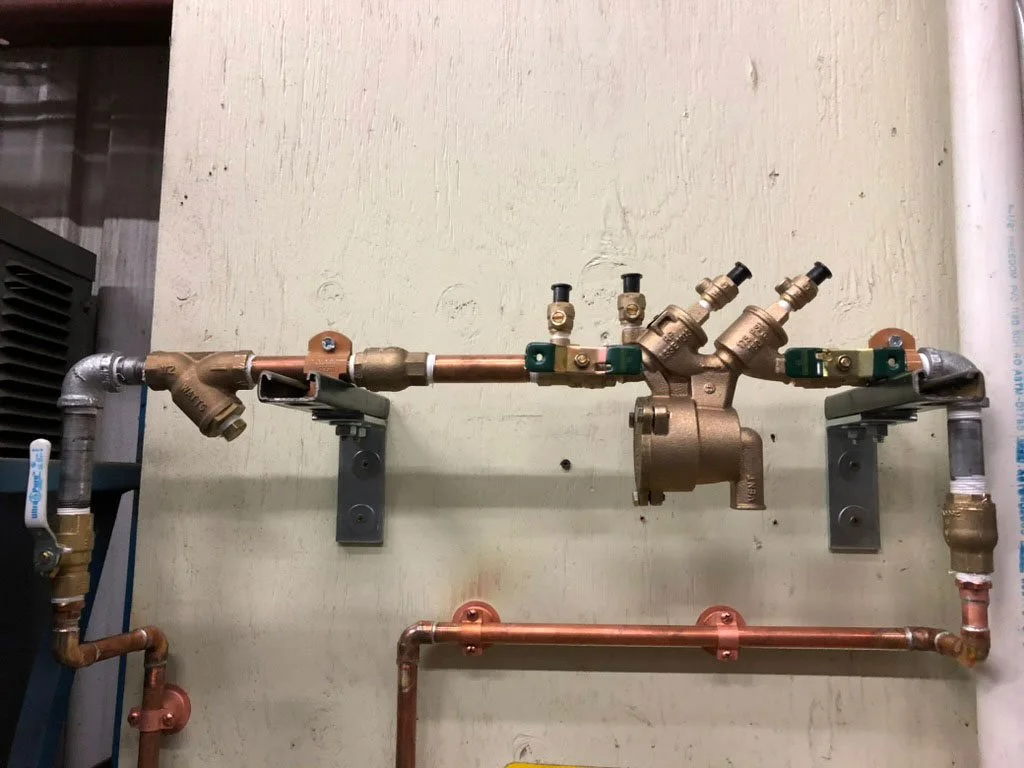
Students will study the operation, function, internal components, and repair procedures for ASSE 1015 Double Check Valve Assemblies (DCVA), ASSE 1013 Reduced Pressure Principle Backflow Preventer Assemblies (RP), ASSE 1020 Pressure Vacuum Breaker Assemblies (PVB), and ASSE 1056 Spill-Resistant Vacuum Breaker Assemblies (SVB). Through instructor-led demonstrations and hands-on rebuilding exercises, students will learn how each assembly operates, why failures occur, and how to safely disassemble, inspect, repair, and reassemble assemblies using manufacturer-approved repair methods.
Throughout the course, students will:
Review the principles of cross-connection control and the purpose of approved backflow prevention assemblies.
Learn the internal operation and function of ASSE 1015, ASSE 1013, ASSE 1020, and ASSE 1056 assemblies.
Identify the components that make up each assembly and understand how each contributes to proper operation.
Observe instructor demonstrations of proper disassembly and reassembly techniques for multiple manufacturers and assembly models.
Practice safely disassembling, inspecting, cleaning, repairing, lubricating, and rebuilding backflow prevention assemblies using approved repair kits and replacement components.
Recognize common causes of assembly failure, including worn rubber components, damaged check valves, relief valve malfunctions, corrosion, mineral buildup, and normal wear.
Learn proper maintenance procedures that extend the service life and reliability of backflow prevention assemblies.
Develop troubleshooting techniques to diagnose repair issues and verify assemblies have been properly restored.
Discuss municipal and water utility cross-connection control programs, including the role of certified repairers in maintaining safe and reliable backflow prevention systems.
Review cross-connection control program implementation, survey requirements, and ongoing maintenance responsibilities.
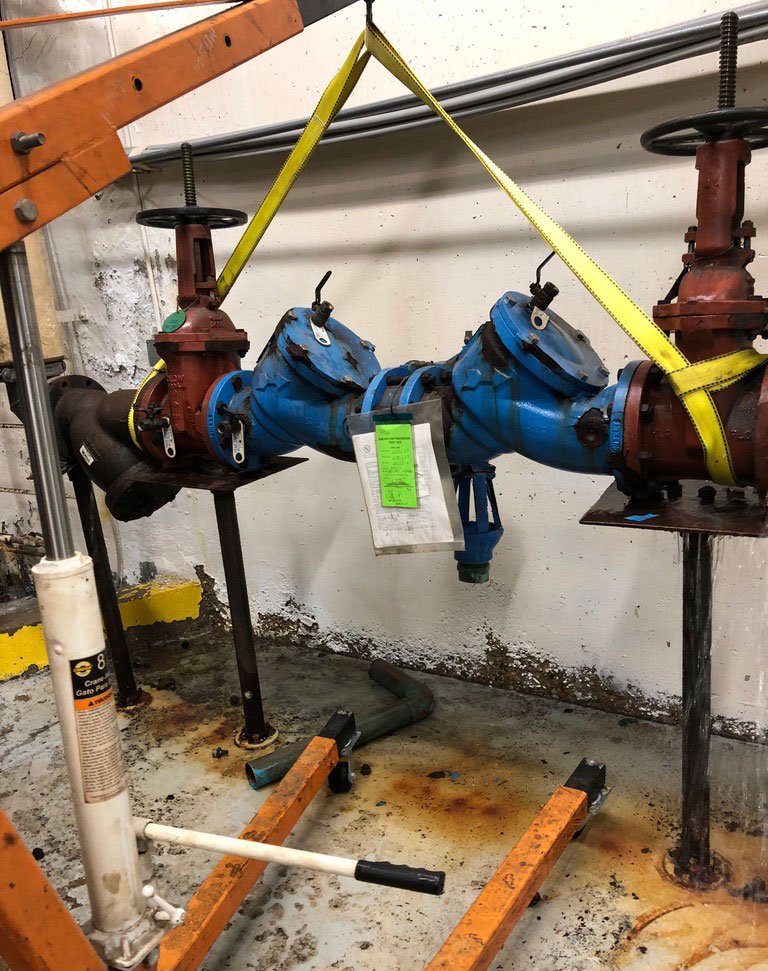
The course emphasizes practical application through instructor demonstrations, guided assembly tear-downs, repeated hands-on repair exercises, and individual rebuilding projects. Students will gain experience working with multiple manufacturers and assembly designs while developing the confidence and mechanical skills necessary to perform repairs in real-world field conditions.
The final portion of the course includes a comprehensive review and a practical demonstration in which each student will successfully disassemble, repair, reassemble, and demonstrate proper operation of each approved backflow prevention assembly while following accepted repair procedures.
By the end of the course, students will possess the knowledge, mechanical skills, and practical experience necessary to confidently repair and maintain approved backflow prevention assemblies, helping ensure reliable operation and the continued protection of Wisconsin's public drinking water systems.
Date: 3/2/27 - 3/4/27
Times: 7:30am-4:30pm Tuesday - Wednesday, and 7:30am-11:30am Thursday
Location:
Test Gauge Inc
560 N. 108th Pl.
Wauwatosa, WI 53226
Full Course Details